Documentation and insurance after storm damage
Storm damage to a commercial roof often involves an insurance claim, and for a Bargersville facility owner, understanding the documentation and insurance side helps you handle it well. This is general information, not legal or coverage advice, and coverage depends on the policy and carrier.
Sudden storm damage is typically covered
Sudden storm damage is typically a covered peril under commercial property insurance, since it results from a specific, unexpected weather event rather than gradual wear, which is generally excluded. The cause matters for coverage. For a facility, storm damage from wind, hail, or a storm event is generally the kind of sudden, accidental damage insurance addresses, as opposed to the gradual deterioration that maintenance covers. Whether and how a particular claim is covered depends on the specific policy and carrier, so your policy is the authoritative source, but sudden storm damage is typically within scope.
Documenting the damage thoroughly
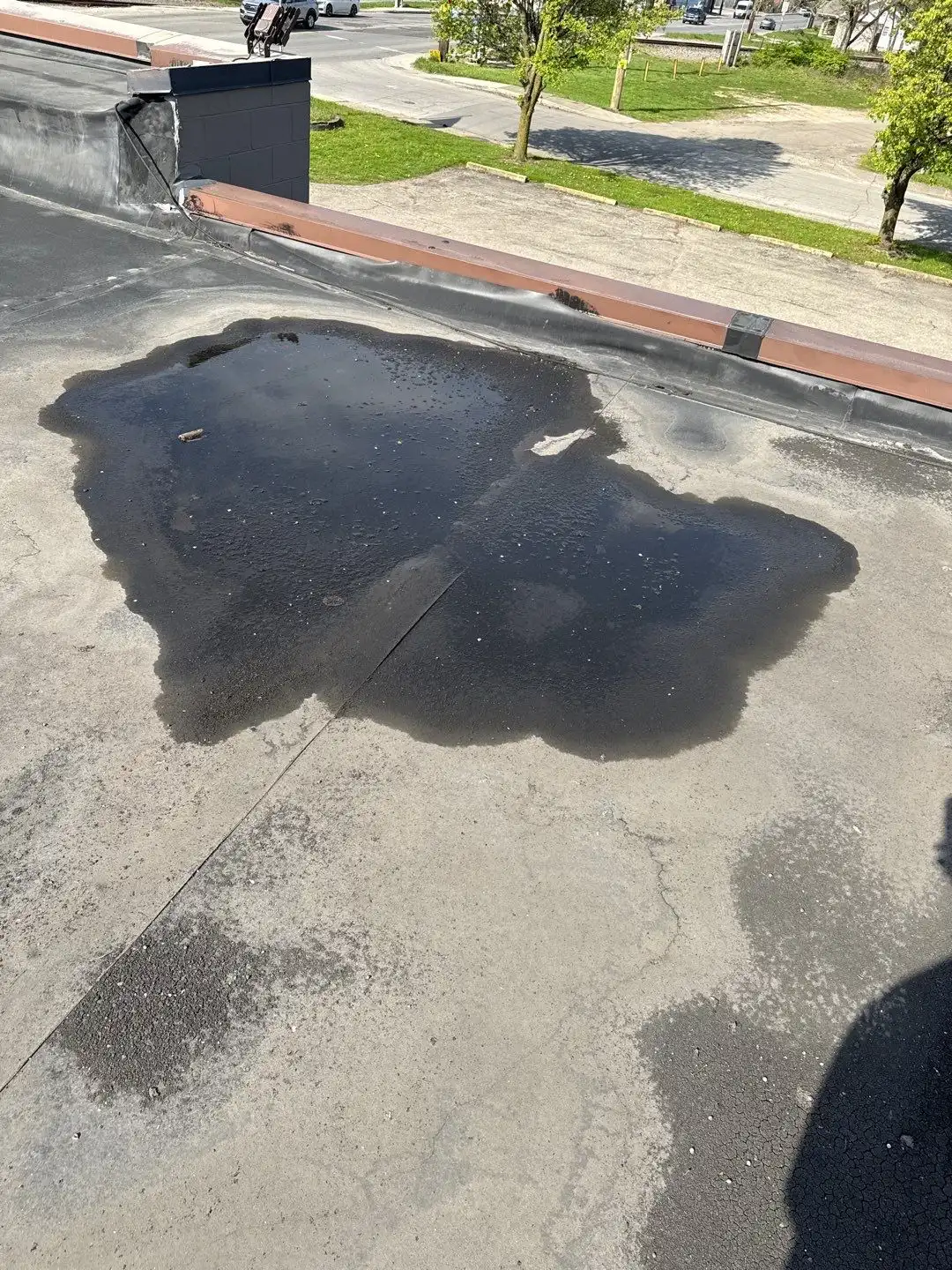
Thorough documentation of the storm damage, photos and a detailed record tying the damage to the storm, supports an insurance claim and is best captured promptly while the damage is fresh. Documentation strengthens the claim. For a Johnson County facility, documenting the storm damage thoroughly, ideally during the emergency response before temporary protection covers it, provides the evidence a claim benefits from. Capturing the damage and its connection to the storm event while everything is fresh strengthens the position, which is why documentation is part of a well handled storm emergency.
Mitigating further damage
Insurers generally expect the owner to mitigate further damage promptly, which the emergency temporary protection accomplishes by stopping additional water intrusion. Mitigation is both practical and expected. For a Bargersville facility, the emergency response that stabilizes the roof also serves the insurance side by mitigating further loss, which insurers typically require. Acting promptly to protect the building demonstrates the reasonable mitigation expected and prevents the additional damage that delay would cause, aligning the practical need with what a claim generally requires of the owner.
Working within the policy and timeline
Claims have time limits and terms, so acting within the policy's timeline and understanding its coverage, deductible, and whether it pays actual cash value or replacement cost matters. The policy governs the specifics. For a facility, understanding your policy, its covered perils, exclusions, deductible, and valuation basis, and filing within its time limits, is part of handling a storm claim, since the policy determines what applies. Reviewing the policy and confirming details with your carrier gives the definitive answers, as the general principles are shaped by your specific coverage.
How a roofer supports the claim
A roofer experienced in storm damage can support an insurance claim by assessing and documenting the damage and explaining the scope of needed repair, though the coverage decision rests with the insurer. The roofer provides the technical evidence. For a Johnson County facility, a roofer that documents the storm damage thoroughly and articulates the repair scope helps support the claim with the technical detail it needs. Bargersville Commercial Roofing assesses and documents storm damage and can work within the claims process, while the determination of coverage rests with your insurer based on your policy. This is general information, not legal advice.
Acting promptly protects your position
Acting promptly after storm damage, responding, documenting, and mitigating, protects both the building and the insurance position, since claims are easier to support when the damage is fresh and clearly tied to the storm. Promptness helps on both fronts. For a Bargersville facility, the fast emergency response that protects the building also strengthens the insurance position by documenting the damage promptly and demonstrating mitigation. This is one more reason to act quickly after a storm, since prompt action serves the practical protection of the building and the insurance side together, which is general information rather than coverage advice.
Handling the insurance side well
The insurance side of storm damage, sudden damage typically covered, thorough documentation, prompt mitigation, working within the policy, roofer support, and acting promptly, is handled well by responding fast and documenting thoroughly. For a facility owner, this helps with a claim, though coverage rests with your insurer and policy. This is general information, not legal or coverage advice.
The larger point about storm damage is that the cost of waiting almost always exceeds the cost of responding, since an open roof keeps letting water in and the damage compounds by the hour. A Bargersville facility that calls for emergency response immediately contains the problem at its initial extent, while one that delays watches a localized breach become widespread damage to the roof, the structure, and the contents below. The single most important factor in how a storm emergency turns out is how fast the response begins, which is why acting at once matters so much.
Finally, the facilities that handle storms best are the ones prepared before the storm arrives, with a sound, maintained roof and an emergency roofer already identified. A facility that keeps its roof in good condition and knows who to call faces less damage and a faster response than one scrambling after the fact. Storm readiness is built in calm weather through maintenance and relationships, so that when a storm hits, the roof resists better and the response begins immediately, limiting the loss to the building and the operations it shelters.
It also helps to separate the two phases clearly, since stabilization and permanent repair serve different purposes and both are necessary. A Johnson County facility that understands the temporary protection stops the bleeding while the permanent repair restores the roof will neither panic that the tarp is inadequate nor mistake it for the finished job. The emergency response buys time; the permanent repair uses that time to fix the roof properly. Keeping both phases in view leads to a storm damaged roof that is protected immediately and restored durably, which is the goal.
The larger point about storm damage is that the cost of waiting almost always exceeds the cost of responding, since an open roof keeps letting water in and the damage compounds by the hour. A Bargersville facility that calls for emergency response immediately contains the problem at its initial extent, while one that delays watches a localized breach become widespread damage to the roof, the structure, and the contents below. The single most important factor in how a storm emergency turns out is how fast the response begins, which is why acting at once matters so much.
Get storm damage documented for your claim
Bargersville Commercial Roofing assesses and documents storm damage on Bargersville commercial roofs to support your insurance claim, while coverage rests with your insurer. Call (765) 676-3491 to get your storm damage documented and repaired. Thorough documentation and prompt response are what support a claim and protect your building.